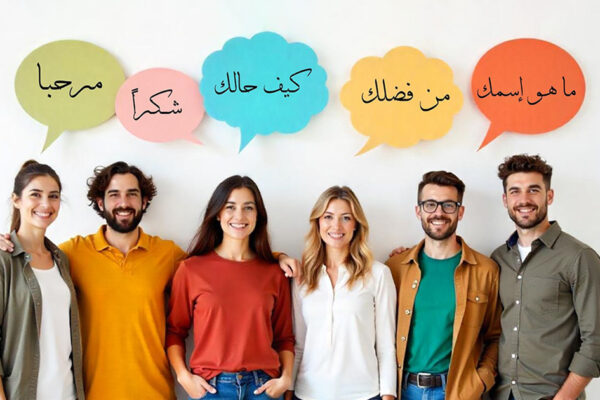

Benefits of Intensive Arabic Language Programs: Fast-Track to Fluency
- Posted by Aya Wahab
- Date February 2, 2026
Many learners reach a point where studying Arabic no longer feels productive. Vocabulary recognition improves, grammar rules seem familiar, yet speaking and comprehension remain slow. This learning plateau is common, especially within part-time or loosely structured study formats. An intensive Arabic language course is designed to address this challenge by increasing exposure, practice, and continuity, allowing learners to move beyond passive understanding and achieve measurable progress.
Table of Contents
ToggleWhy Brains Learn Arabic Faster in Intensive Settings?
Language acquisition relies on frequency. Within a structured Arabic language program, daily use strengthens memory and improves recognition speed far more effectively than occasional lessons.
Because Arabic is cumulative—where each concept builds on the last—long gaps between classes cause a “forgetting curve.” Without daily engagement, you spend more time reviewing old material than learning new concepts.
The Pitfalls of Casual & Unstructured Learning
- The 80% Rule: Without regular use, you can lose up to 80% of new vocabulary within days.
- Mental Translation: Infrequent study keeps you dependent on translating in your head. Intensive programs force the mental shift to direct understanding.
- Resource Fatigue: Self-directed learners often waste time choosing materials rather than practicing. A structured Arabic language course provides a roadmap, eliminating guesswork.
Five Benefits of an Intensive Arabic Language Course
Intensive Arabic language programs address these challenges by combining structure, consistency, and guided practice.
Benefit 1: Steady Progress Without Forgetting
Daily instruction reinforces learning before it fades, allowing knowledge to build steadily over time.
- Daily Reinforcement That Makes Recall Automatic: Frequent repetition within meaningful contexts strengthens recall and reduces hesitation.
- Building Knowledge in Layers, Where Each Day Rests on the Last: Each lesson builds directly on previous material, supporting cumulative progress.
- Reaching the Tipping Point Where Arabic Starts to Stick Permanently: Sustained exposure allows learners to reach a stage where comprehension and recall become more stable and reliable.
Benefit 2: Full Immersion Anywhere
Intensive programs create an immersive environment without requiring relocation.
- Creating a Consistent “Arabic Bubble” for the Brain to Adapt: Regular interaction with Arabic encourages the brain to adjust naturally to the language.
- Forcing the Mental Shift from Translation to Direct Understanding: Extended exposure reduces reliance on translation and promotes direct comprehension.
- How Daily, Lengthy Exposure Accelerates Comprehension Speed: Longer daily sessions improve listening accuracy and processing speed.
Benefit 3: Clear, Step-by-Step Learning
A clear curriculum ensures balanced development across all language skills.
- Following a Curriculum Designed by Experts to Build Skills Logically: Professional course design ensures concepts are introduced in a logical, supportive sequence.
- Eliminating Guesswork and Gaps in Understanding: Structured programs prevent missing foundational elements that limit fluency later.
- The Efficiency of a Mapped Out Journey to Proficiency: Clear learning objectives help learners track progress and stay motivated.
Benefit 4: Immediate Feedback and Support
Immediate feedback plays a critical role in language accuracy.
- Immediate Correction of Pronunciation and Grammar Errors: Early correction helps learners develop accurate habits from the start.
- Preventing Bad Habits from Becoming Fossilized: Timely guidance reduces the risk of long-term errors.
- The Invaluable Role of a Live Instructor in Fast Tracking Accuracy: Experienced instructors provide direction, clarity, and targeted support.
Benefit 5: Gaining Confidence in Speaking Quickly
Confidence grows through consistent, supported communication.
- The Psychological Breakthrough of Sustained Arabic Use: Extended daily use helps learners adjust mentally and linguistically to Arabic.
- Gaining the Courage to Speak from Constant, Guided Practice: Frequent speaking opportunities reduce hesitation and build assurance.
- Transitioning from a Learner to a Communicator: Learners move from studying Arabic to using it in meaningful contexts.
Inside an Intensive Program: How the Structure Supports Learning?
Effective Arabic language courses are built around a clear learning sequence that guides learners from understanding to application and reinforcement. This structure simplifies the learning process by organizing content in a way that supports focus, retention, and confident language use.
A Learning Rhythm That Improves Retention
Learners progress through a consistent rhythm that introduces new concepts, reinforces them through practice, and strengthens recall through contextual use. This approach reduces cognitive overload and helps learners retain information more effectively over time.
- Building Core Grammar Skills First: Learners begin by focusing on essential grammatical patterns and sentence structures. Clear explanations and guided examples help them understand how Arabic works, providing a reliable foundation for comprehension, reading, and accurate expression.
- Practicing Arabic Through Active Use: After new concepts are introduced, learners actively use them through guided speaking activities, practical tasks, and structured interaction. This stage helps transform understanding into usable skills and improves accuracy in real communication.
- Reinforcing Learning Through Culture and Context: Learners then encounter Arabic in cultural and real-life contexts. Authentic examples, everyday expressions, and contextual usage help connect form and meaning, strengthening comprehension and supporting long-term retention.
The Synergy of Skills: Listening, Speaking, Reading, Writing
Effective Arabic language programs develop all four language skills together rather than in isolation. This balanced approach supports natural and functional language use.
Listening, speaking, reading, and writing are practiced each day in coordinated activities. This integration reinforces learning from multiple angles and accelerates overall proficiency.
Instead of disconnected drills, learners engage in tasks that reflect real communication. Language shifts from abstract rules to practical use in meaningful contexts.
The Role of Expert Guidance and Peer Support
A supportive learning environment plays a key role in maintaining motivation and steady progress throughout an intensive program.
Instructors monitor performance closely, address challenges as they arise, and provide clear, targeted feedback that keeps learners moving forward.
Group learning encourages shared accountability and perspective. Observing the progress of peers reinforces confidence and creates a collaborative atmosphere that supports sustained improvement.
Who Is the Intensive Path For?
Intensive Arabic programs are ideal for learners with specific goals who want structured, measurable progress.
Individuals with Clear Deadlines or Academic/Career Goals
- Learners preparing for exams, academic programs, or professional opportunities.
- Focused instruction accelerates learning to meet specific timelines.
Those Who Have Plateaued in Self-Study or Traditional Classes
- Learners whose progress has slowed or stalled.
- Structured, consistent practice helps overcome stagnation and regain momentum.
Learners Who Thrive in Structured, Focused Environments
- Learners who benefit from clear expectations and guided progression.
- A defined framework supports steady advancement across all language skills.
Achieve Fluency Faster with Albaher Arabic Language Center
Save time and maximize your learning with intensive Arabic language courses at Albaher Arabic Language Center. Our structured programs and daily practice help you progress efficiently, reduce repetition, and reach your language goals faster than traditional study methods. Start your journey today and experience the most effective way to master Arabic.
FAQ
Fluency depends on your starting level, learning pace, and consistency. Intensive programs accelerate progress by providing daily structured instruction, frequent practice, and immersive activities that allow learners to reach functional fluency faster than part-time study.
Intensive courses are all about frequent, focused learning. They provide structured progression, lots of immersion, and real-time feedback to help you build fluency quickly. Regular classes, on the other hand, usually meet less often, which can make vocabulary retention slower and overall progress a bit more gradual.
Intensive programs are carefully designed to accommodate beginners. Instruction is structured, paced, and supported by instructors to ensure learners can progress confidently without feeling overwhelmed.
Yes. Many intensive programs offer specialized tracks for regional dialects such as Levantine, Egyptian, or Gulf Arabic, while also covering Modern Standard Arabic for formal reading and writing skills.
Ongoing practice is key. Options include follow-up courses, online exercises, conversation clubs, or integrating Arabic into daily routines. Consistent exposure helps maintain and build on the skills developed during the intensive program.

You may also like

Learn Levantine Arabic Online or in Amman

Arabic Language Dialects: A Guide to Different Arabic Dialects