
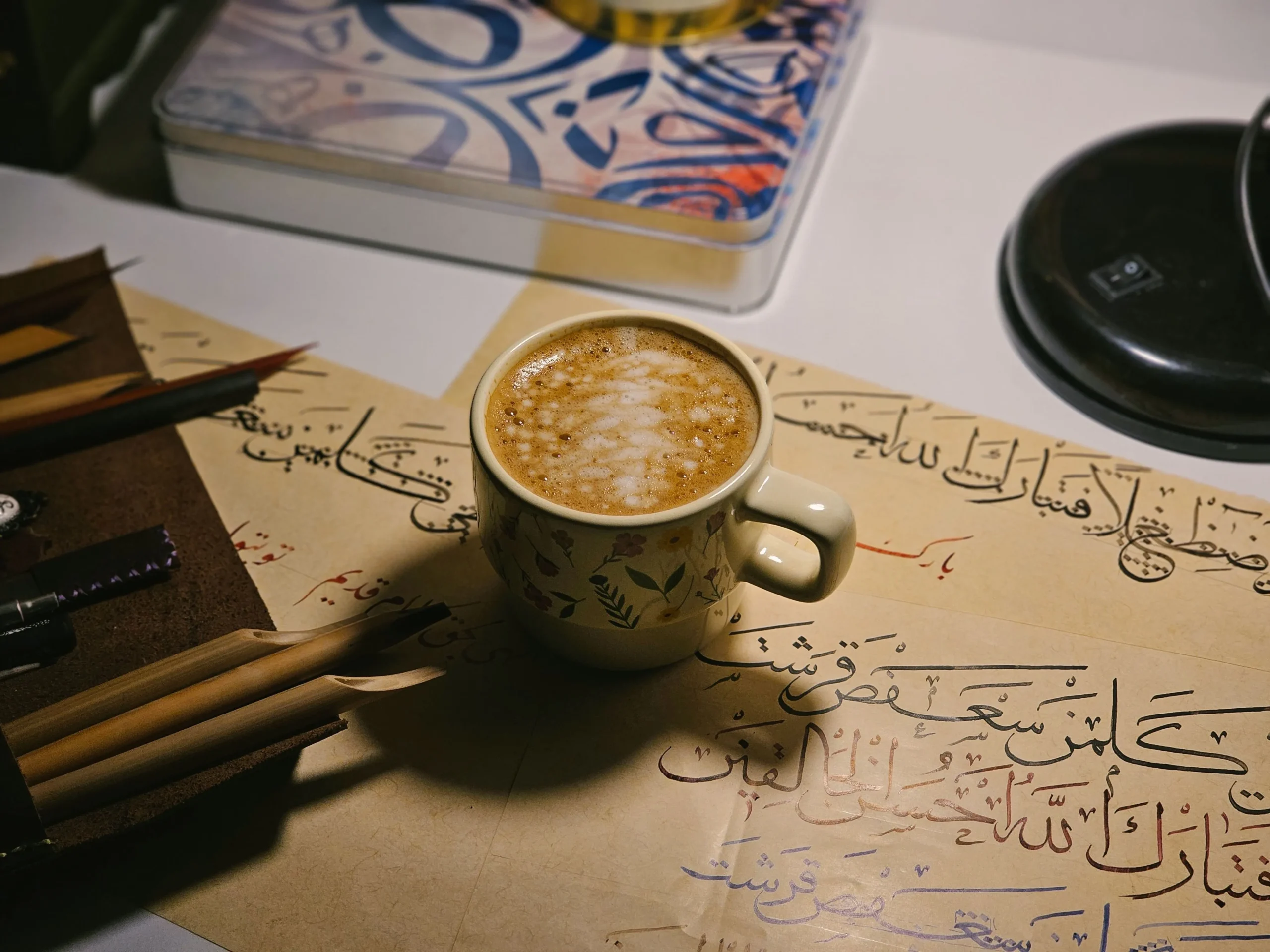
What Is FusHa Arabic? The Arabic Standard Language Explained
- Posted by Aya Wahab
- Date November 25, 2026
You start learning Arabic, and suddenly there are four names: Fusha, Modern Standard Arabic, Classical Arabic, and Ammiyya. Which one is “real” Arabic, and which one should you learn?
Here’s the short answer. Fus-Ha (الفصحى) is the formal, standard form of Arabic used in writing, the news, and official settings across the Arab world. It’s the Arabic standard language shared by every Arab country, and today it usually means Modern Standard Arabic (MSA). At AlBaher Arabic Language Center, we teach Fusha alongside spoken Jordanian Arabic, so you can read, write, and speak with confidence.


Table of Contents
ToggleWhat Does Fusha Mean?
Fusha comes from an Arabic root linked to eloquence. Al-fuṣ-Haa means “the most eloquent,” short for al-lugha al-ʿarabiyya al-fuṣ-Haa, “the most eloquent Arabic language.” It’s pronounced FUS-Ha, with a heavy “S” (ص) and a breathy “H” (ح), and you’ll see it spelled fusha, fus-ha, or fuṣḥā.
Study Fus-Ha in Amman or Online
In Amman: Learn Fus-Ha in class and see it all around you, in newspapers, signs, and the news.
Online: Study live with AlBaher’s native Jordanian instructors from anywhere, with schedules that fit your routine.
Fus-Ha vs Modern Standard Arabic: Are They the Same?
In everyday use, yes. When people compare Modern Standard Arabic vs Fus-Ha, they’re mostly comparing two names for the same thing: MSA is the standardized modern form of Fus-Ha. In a broader sense, Fus-Ha also includes Classical Arabic, often called classical Arabic Fus-Ha, the older form of the Quran and classical literature. Both share the same core grammar but differ in period, vocabulary, and style.
| Classical Arabic | Modern Standard Arabic (MSA) |
Time period | From before the 7th century through the classical era | Developed in the 19th and 20th centuries and used today |
Where it’s used | The Quran, hadith, classical poetry, and historical scholarship | Books, newspapers, news broadcasts, official documents, and education |
Vocabulary | Rich classical vocabulary, with many words rare today | Adds modern terms for technology, politics, science, and daily life |
Grammar | Full classical grammar, applied strictly | The same core grammar, with a simpler modern style |
Where Is Fus-Ha Used?
- Books, newspapers, and websites: Almost all published Arabic
- News broadcasts: Understood by viewers in every Arab country
- Formal speeches and official documents: Government, law, and public life
- Religious texts and sermons: Including Friday sermons
- Schools and universities: Where Arabic speakers learn to read and write
Nobody speaks Fus-Ha as a native language at home. Every Arabic speaker grows up with a regional dialect and learns Fus-Ha at school.
Fus-Ha vs Regional Dialects (Ammiyya)
Ammiyya is the spoken Arabic of each region, such as Levantine, Egyptian, or Gulf Arabic. It shares roots with Fus-Ha but has simpler grammar and different everyday words.
| Fus-Ha | Ammiyya |
Used for | Reading, writing, news, and formal speech | Everyday conversation |
Written or spoken | Mainly written, also spoken in formal settings | Mainly spoken, often written informally online |
Same across countries? | Yes, shared across the Arab world | No, it changes from region to region |
Formal or casual? | Formal | Casual |
What You’ll Learn in AlBaher’s Fus-Ha Program
- Reading and writing in Modern Standard Arabic, from the alphabet up
- Fus-Ha grammar taught step by step, with clear examples
- Vocabulary for news, media, academic, and professional use
- Listening and speaking practice for formal situations
- The option to add Jordanian Arabic for everyday conversation
- Level-based placement, from complete beginner to advanced
Who Learns Fus-Ha with AlBaher?
University students and researchers
Who need academic Arabic
Diplomats and professionals
Who read and work with formal Arabic
Religious learners
Building a foundation for Classical and Quranic Arabic
Heritage learners
Who speak a dialect but want to read and write
Beginners
Who want a strong, universal base in Arabic
Fus-Ha Examples: Common Phrases in Fus-Ha and Levantine Arabic
See the difference side by side:
English | Fus-Ha | Levantine |
How are you? | كيف حالك؟ (kayfa ḥaaluk) | كيفك؟ (keefak) |
What’s your name? | ما اسمك؟ (maa ismuk) | شو اسمك؟ (shou ismak) |
I want coffee. | أريد قهوة (ureedu qahwa) | بدي قهوة (biddii ahweh) |
Where are you going? | إلى أين تذهب؟ (ilaa ayna tath-hab) | لوين رايح؟ (la-wein raayiH) |
I don’t know. | لا أعرف (laa aʿrif) | ما بعرف (maa baʿrif) |
What is this? | ما هذا؟ (maa haathaa) | شو هاد؟ (shou haad) |
I’m going home. | أنا ذاهب إلى البيت (anaa thaaheb ilaa al-bayt) | أنا رايح عالبيت (anaa raayiH ʿal-beit) |
Thank you very much. | شكراً جزيلاً (shukran jazeelan) | يسلمو إيديك (yislamu ideik) |
Should You Learn Fus-Ha First
- Choose Fus-Ha: If you want to read and write, follow the media, or study Arabic for academic or religious purposes.
- Choose a dialect: Such as Levantine Arabic, if your main goal is everyday conversation in a specific country.
- Combine both: For the full picture. Many students at AlBaher study Fus-Ha for reading and writing alongside Jordanian Arabic for speaking.
Do Arabic Speakers Understand Fus-Ha?
Yes. Most formally educated Arabic speakers read and understand Fus-Ha well, because they study it at school and hear it daily on the news. That makes Fus-Ha the one form of Arabic understood in every Arab country.
Start Learning Fus-Ha with AlBaher
Since 2006, AlBaher has helped international learners go from their first letter to confident reading. Tell us your level and goals, and we’ll help you start on the right path.
FAQs
Fus-Ha is the formal, standard form of Arabic used in writing, the news, education, and official settings across the Arab world. Today, it usually refers to Modern Standard Arabic.
In everyday use, yes. MSA is the modern, standardized form of Fus-Ha. In a broader sense, Fus-Ha also includes Classical Arabic, the older form used in the Quran and classical literature.
Fus-Ha is written الفصحى (al-fuṣ-Haa) and pronounced FUS-Ha, with a heavy “s” and a breathy “h.” The full name is al-lugha al-ʿarabiyya al-fuṣ-Haa.
Not usually. People speak their regional dialect at home and in daily life. Fus-Ha is used for reading, writing, the news, and formal speech, so no one speaks it as a native language.
Quranic Arabic is Classical Arabic, the older form of Fus-Ha. Modern Standard Arabic developed from it and shares its core grammar, but MSA uses modern vocabulary and a simpler style.
Fus-Ha has detailed grammar, including case endings, which takes time to master. But its rules are consistent, and because it’s the same across the Arab world, everything you learn works everywhere.

You may also like
Arabic Letters: All 28 Letters of the Arabic Alphabet, Made Simple