
Arabic Numbers: A Complete Guide to Arabic Digits, Words, and Pronunciation
- Posted by Aya Wahab
- Date October 24, 2026
Arabic numbers come in two forms. The first is the 0 to 9 digits English uses every day, which reached Europe through the Arab world. The second is the Eastern Arabic numerals, ٠ to ٩, still used across much of the Middle East.
If you’re learning Arabic, you need both. You’ll see them on price tags, receipts, signs, and official forms. You’ll also need the words to say them out loud.
This guide covers both numeral systems, numbers written in Arabic from 1 to 100, hundreds and thousands, and how to write and pronounce Arabic numbers correctly.
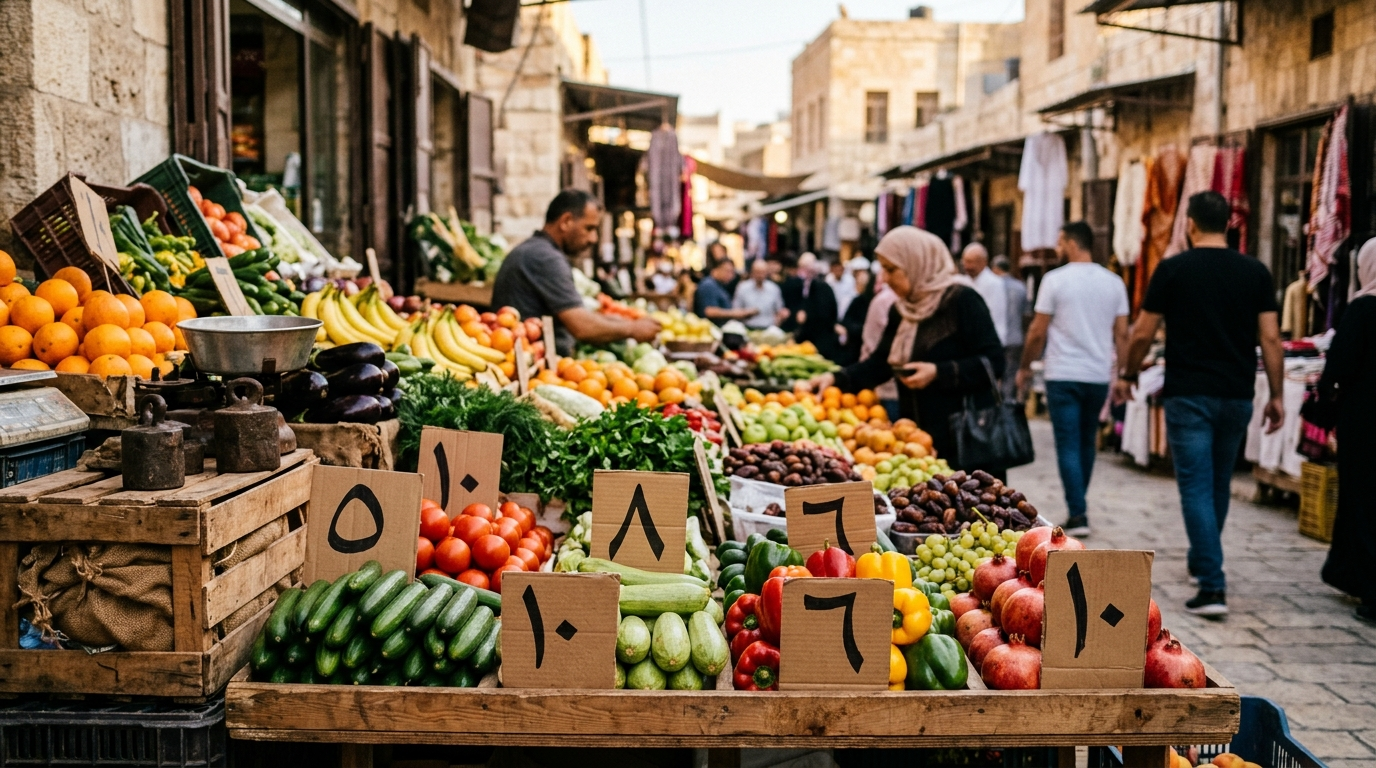
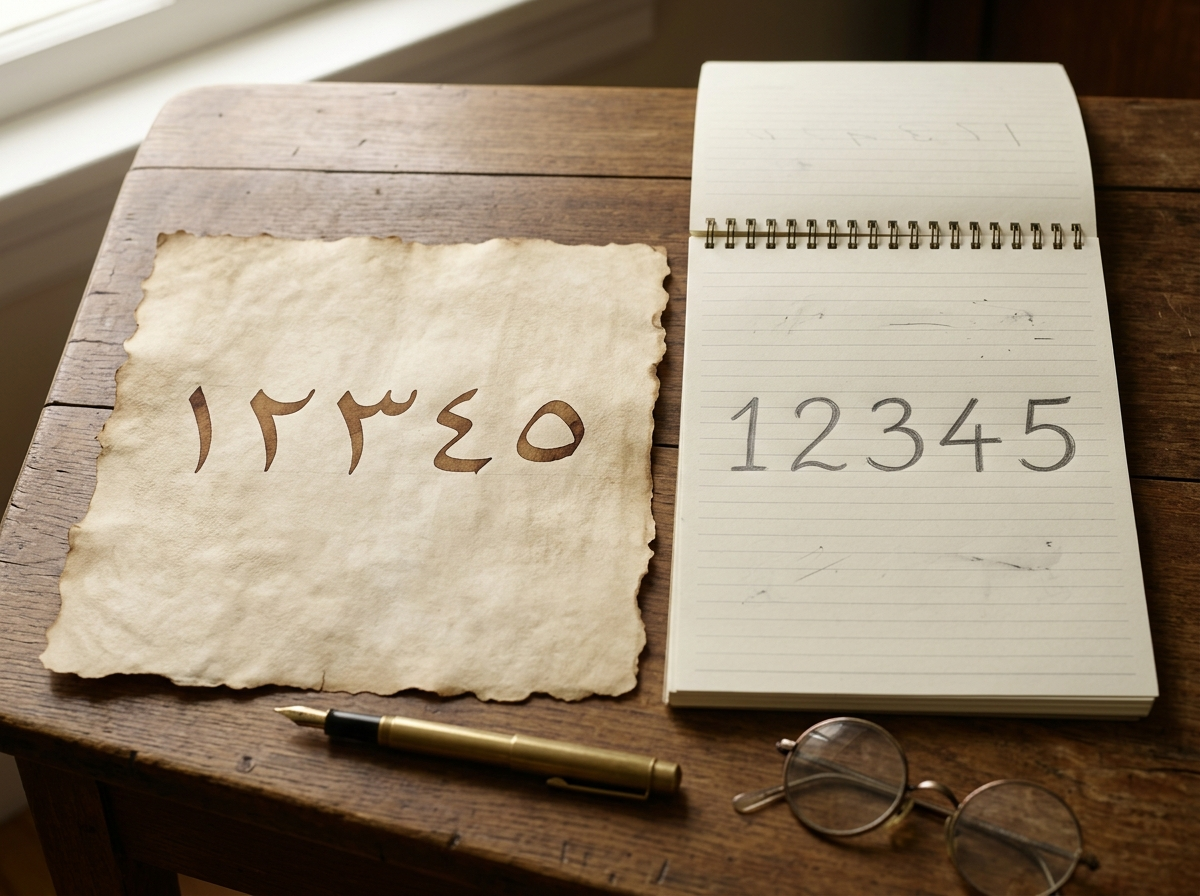
Table of Contents
ToggleWhat Are Arabic Numbers?
“Arabic numbers” can mean three things.
The digits 0 to 9: In English, Arabic numerals usually mean the digits you already use. They’re also called Hindu-Arabic numerals. The system started in India, where mathematicians developed place value and the zero. Arab and Persian scholars adopted it, and the mathematician al-Khwarizmi wrote about it in the 9th century. It then reached Europe through North Africa and Spain.
The Eastern Arabic numerals: Across much of the Arab world, people also write numbers as ٠ ١ ٢ ٣ ٤ ٥ ٦ ٧ ٨ ٩. Same values, different shapes. Arabic speakers often call them arqām hindiyya (Hindi numerals) because of their Indian origin.
The number words: For learners, Arabic numbers also mean the words themselves: wāḥid, ithnān, thalātha. To use numbers with confidence, you need the symbols and the sounds.
Western vs. Eastern Arabic Numerals
Both systems follow the same base-10 numerical system. Only the symbols change. Here’s how numbers in Arabic and English line up:
Value | Western Arabic | Eastern Arabic | Arabic Name |
0 | 0 | ٠ | صفر (ṣifr) |
1 | 1 | ١ | واحد (wāḥid) |
2 | 2 | ٢ | اثنان (ithnān) |
3 | 3 | ٣ | ثلاثة (thalātha) |
4 | 4 | ٤ | أربعة (arbaʿa) |
5 | 5 | ٥ | خمسة (khamsa) |
6 | 6 | ٦ | ستة (sitta) |
7 | 7 | ٧ | سبعة (sabʿa) |
8 | 8 | ٨ | ثمانية (thamāniya) |
9 | 9 | ٩ | تسعة (tisʿa) |
Where each set is used:
- Western Arabic numerals (0 to 9): The global standard. They’re the main digits in North Africa, including Morocco, Algeria, and Tunisia, and common across the Middle East in business, technology, and signage.
- Eastern Arabic numerals (٠ to ٩): Common in Egypt, Jordan, Iraq, Saudi Arabia, and the Gulf, especially in print, official documents, and everyday handwriting.
In Jordan, you’ll see both every day. Persian and Urdu use a close variant with different shapes for 4, 5, and 6.
Arabic Numbers 1 to 10
Start here. These ten numbers are the base for everything else.
Number | Eastern Arabic | Arabic Word | Transliteration | Pronunciation |
1 | ١ | واحد | wāḥid | WAA-hid |
2 | ٢ | اثنان | ithnān | ith-NAAN |
3 | ٣ | ثلاثة | thalātha | tha-LAA-tha |
4 | ٤ | أربعة | arbaʿa | AR-ba-a |
5 | ٥ | خمسة | khamsa | KHAM-sa |
6 | ٦ | ستة | sitta | SIT-ta |
7 | ٧ | سبعة | sabʿa | SAB-a |
8 | ٨ | ثمانية | thamāniya | tha-MAA-ni-ya |
9 | ٩ | تسعة | tisʿa | TIS-a |
10 | ١٠ | عشرة | ʿashara | A-sha-ra |
Spoken Jordanian Arabic: Some numbers sound different in everyday speech. Ithnān becomes tnēn, thalātha becomes tlāte, and thamāniya becomes tamānye.
Arabic Numbers 11 to 20
From 13 to 19, the pattern is simple: say the unit, then ʿashar (ten).
Number | Eastern Arabic | Arabic Word | Transliteration | Pronunciation |
11 | ١١ | أحد عشر | aḥada ʿashar | a-HA-da A-shar |
12 | ١٢ | اثنا عشر | ithnā ʿashar | ith-NAA A-shar |
13 | ١٣ | ثلاثة عشر | thalāthata ʿashar | tha-LAA-tha-ta A-shar |
14 | ١٤ | أربعة عشر | arbaʿata ʿashar | AR-ba-a-ta A-shar |
15 | ١٥ | خمسة عشر | khamsata ʿashar | KHAM-sa-ta A-shar |
16 | ١٦ | ستة عشر | sittata ʿashar | SIT-ta-ta A-shar |
17 | ١٧ | سبعة عشر | sabʿata ʿashar | SAB-a-ta A-shar |
18 | ١٨ | ثمانية عشر | thamāniyata ʿashar | tha-MAA-ni-ya-ta A-shar |
19 | ١٩ | تسعة عشر | tisʿata ʿashar | TIS-a-ta A-shar |
20 | ٢٠ | عشرون | ʿishrūn | ish-ROON |
Arabic Numbers by Tens: 10 to 100
Most tens take the unit’s root and add -ūn. Thalātha (three) becomes thalāthūn (thirty).
Number | Eastern Arabic | Arabic Word | Transliteration |
10 | ١٠ | عشرة | ʿashara |
20 | ٢٠ | عشرون | ʿishrūn |
30 | ٣٠ | ثلاثون | thalāthūn |
40 | ٤٠ | أربعون | arbaʿūn |
50 | ٥٠ | خمسون | khamsūn |
60 | ٦٠ | ستون | sittūn |
70 | ٧٠ | سبعون | sabʿūn |
80 | ٨٠ | ثمانون | thamānūn |
90 | ٩٠ | تسعون | tisʿūn |
100 | ١٠٠ | مئة | miʾa |
Numbers between the tens: Say the unit first, then “wa” (and), then the ten. Think of the old English “four-and-twenty.”
- 21: واحد وعشرون (wāḥid wa-ʿishrūn)
- 35: خمسة وثلاثون (khamsa wa-thalāthūn)
- 99: تسعة وتسعون (tisʿa wa-tisʿūn)
Spoken forms: In everyday Levantine Arabic, you’ll mostly hear tens ending in -īn: ʿishrīn (20), tlātīn (30), khamsīn (50).
Arabic Numbers: Hundreds, Thousands, and Beyond
Big numbers follow the same logic. Learn a few key words and you can build almost any number.
Number | Eastern Arabic | Arabic Word | Transliteration |
100 | ١٠٠ | مئة | miʾa |
200 | ٢٠٠ | مئتان | miʾatān |
300 | ٣٠٠ | ثلاثمئة | thalāthumiʾa |
1,000 | ١٠٠٠ | ألف | alf |
2,000 | ٢٠٠٠ | ألفان | alfān |
1,000,000 | ١٠٠٠٠٠٠ | مليون | milyūn |
1,000,000,000 | ١٠٠٠٠٠٠٠٠٠ | مليار | milyār |
You’ll also see مئة spelled مائة in older and formal texts. Both are pronounced miʾa.
Example: 2026 is ألفان وستة وعشرون (alfān wa-sitta wa-ʿishrūn), literally “two thousand and six and twenty.”
How to Write Arabic Numbers
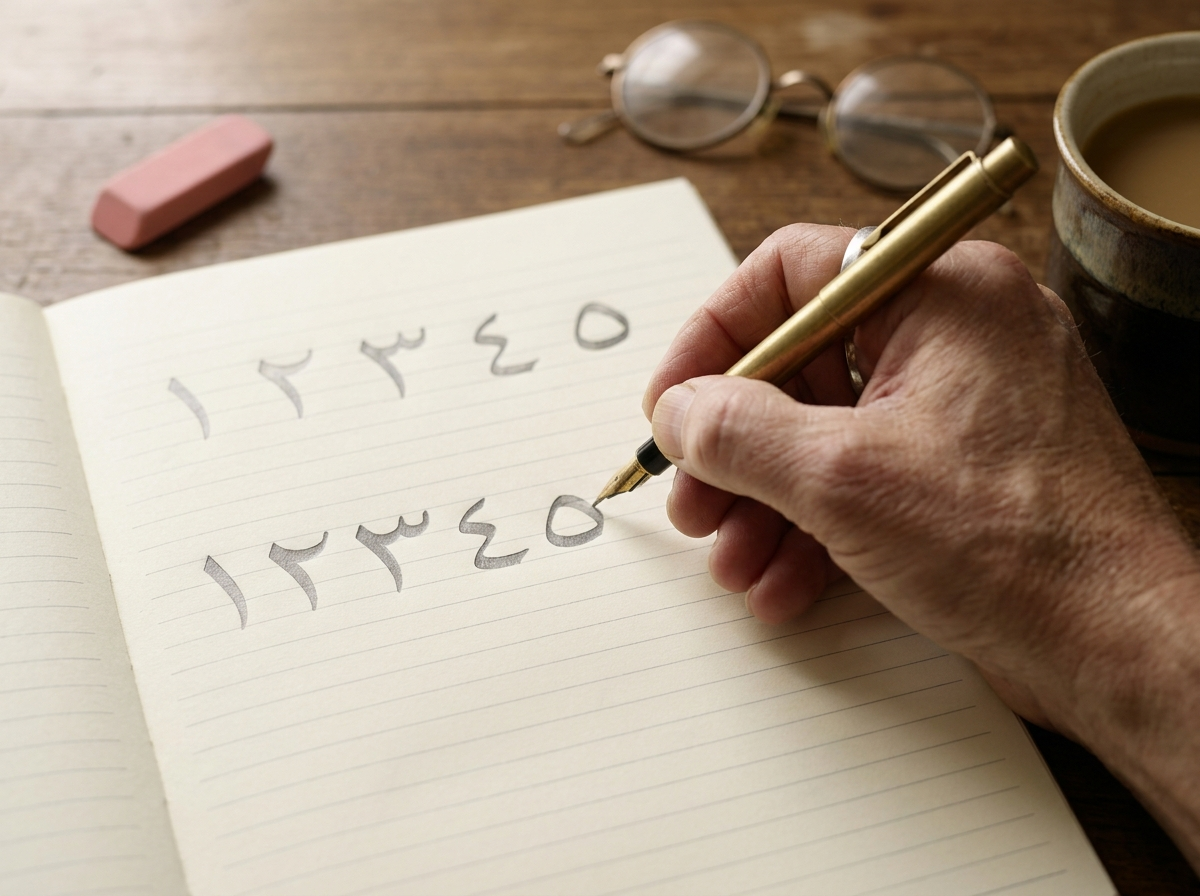
Direction: Arabic text runs right to left, but numbers run left to right. The year 2026 is written ٢٠٢٦, with the highest place value first, just like in English.
Lookalikes: Watch these common mix-ups:
- ٠ (zero) is a small dot.
- ٥ (five) looks like a small circle, so English speakers often misread it as zero.
- ٤ (four) looks like a backward 3.
- ٧ (seven) and ٨ (eight) are V shapes pointing in opposite directions.
Typing: Add an Arabic keyboard to your phone or computer. Many keyboards let you switch between Western and Eastern digits. You can also copy this set: ٠ ١ ٢ ٣ ٤ ٥ ٦ ٧ ٨ ٩
Numbers as letters: In casual online chat, Arabic speakers sometimes use digits for sounds English lacks: 3 for ع, 7 for ح, and 2 for ء. This style is called Arabizi.

How to Pronounce Arabic Numbers
- Stress the long vowel: In most numbers, the stress falls on the long vowel: tha-LAA-tha, ith-NAAN, ish-ROON.
- Practice the new sounds: The ʿ in arbaʿa, sabʿa, tisʿa, and ʿashara is ʿayn, a tight sound from the throat. The ḥ in wāḥid is a breathy h. The th in thalātha sounds like “think.” The kh in khamsa is like the “ch” in Scottish “loch.”
- Know the gender rule: Numbers 3 to 10 take the opposite gender form of the noun they count. So it’s thalāthat kutub (three books) but thalāth banāt (three girls). Learn the counting form first, then add this rule later.
- One and two work differently: “One” usually comes after the noun, as in kitāb wāḥid (one book). For two, Arabic often uses a dual ending instead: kitābān (two books).
Expect spoken variations: In Jordan, you’ll hear tnēn, tlāte, and tamānye in daily conversation.
Tips for Learning Arabic Numbers Faster
- Use them daily: Read prices, phone numbers, and dates in Arabic whenever you see them.
- Say your phone number: Practice reading it aloud in Arabic, one digit at a time.
- Switch your phone: Set your phone to show Eastern Arabic digits for a week.
- Learn in blocks: Master 1 to 10, then the pattern for 11 to 19, then the tens.
- Listen and repeat: Hear native speakers count, then copy their rhythm.
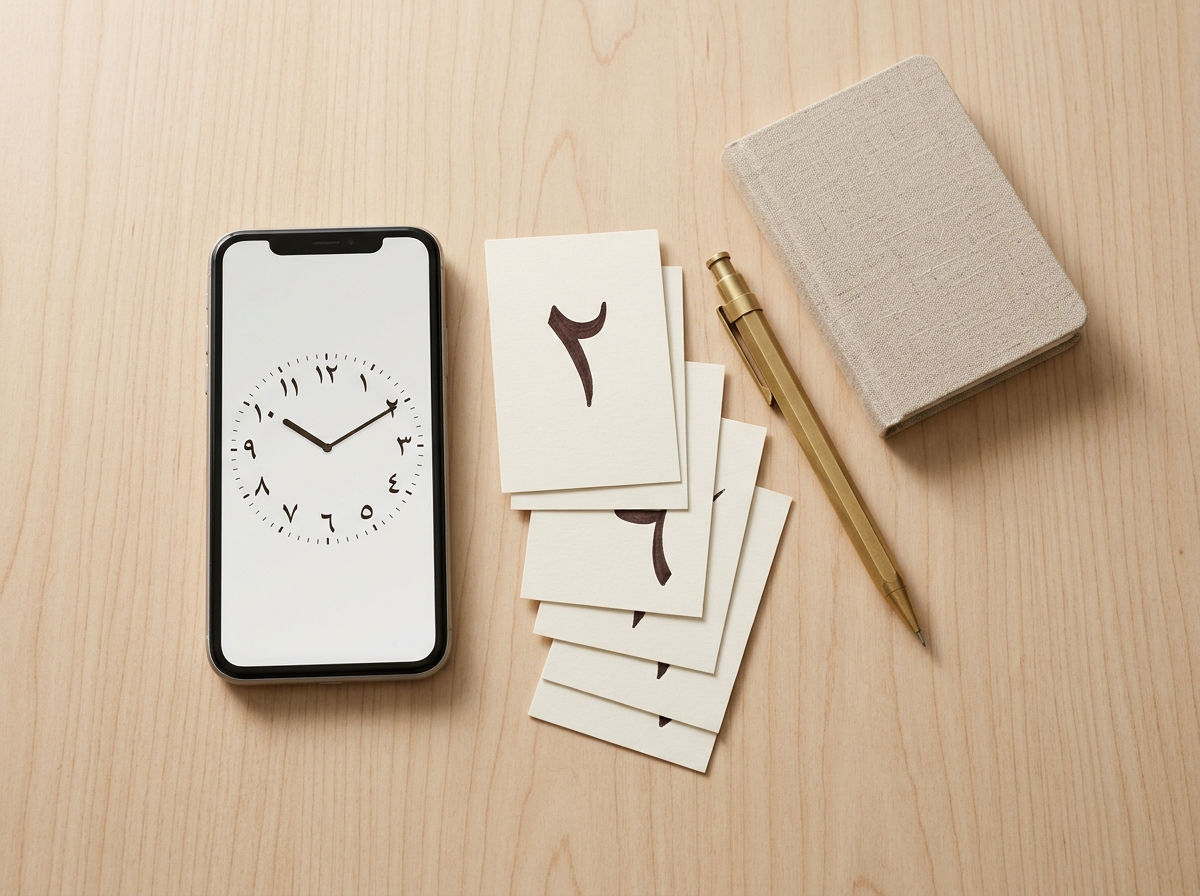
- Use spaced repetition: Make flashcards with the numeral on one side and the word and sound on the other. Review them at growing intervals.
How AlBaher Helps You Learn Arabic
Since 2006, AlBaher Arabic Language Center in Amman has taught Arabic to international learners. Numbers are part of the practical foundation in our Modern Standard Arabic and Jordanian Arabic programs, alongside reading, speaking, and everyday vocabulary. Study in Amman or online with native Jordanian instructors.
FAQs
Arabic numbers are the digits 0 to 9 used worldwide, which reached Europe through the Arab world. The term also covers the Eastern Arabic numerals (٠ to ٩) used across much of the Middle East. Both express the same values.
They follow the same base-10 system but use different shapes. Western Arabic numerals are 0 to 9. Eastern Arabic numerals are ٠ to ٩ and are used mainly in Arabic-speaking countries of the Middle East.
In Eastern Arabic numerals: ١ ٢ ٣ ٤ ٥ ٦ ٧ ٨ ٩ ١٠. In words: واحد، اثنان، ثلاثة، أربعة، خمسة، ستة، سبعة، ثمانية، تسعة، عشرة.
No. Arabic text runs right to left, but digits run left to right, even inside an Arabic sentence. When you say numbers like 21 as words, though, the unit comes before the ten.
Learn 1 to 10 first. Then learn 11 to 19 (unit plus ʿashar) and the tens, which mostly end in -ūn. Build the numbers in between as unit, then wa, then the ten. One hundred is miʾa.
Stress the long vowel, practice sounds like ʿayn and ḥ, and listen to native speakers. Spoken Jordanian Arabic changes a few numbers, such as tnēn for two and tlāte for three.

You may also like

Summer Arabic Programs in Jordan: Make Real Progress in 8 Weeks

Learn Levantine Arabic Online or in Amman