Arabic Language Day Explained: History, Activities, and Global Impact
- Posted by Aya Wahab
- Date November 3, 2025
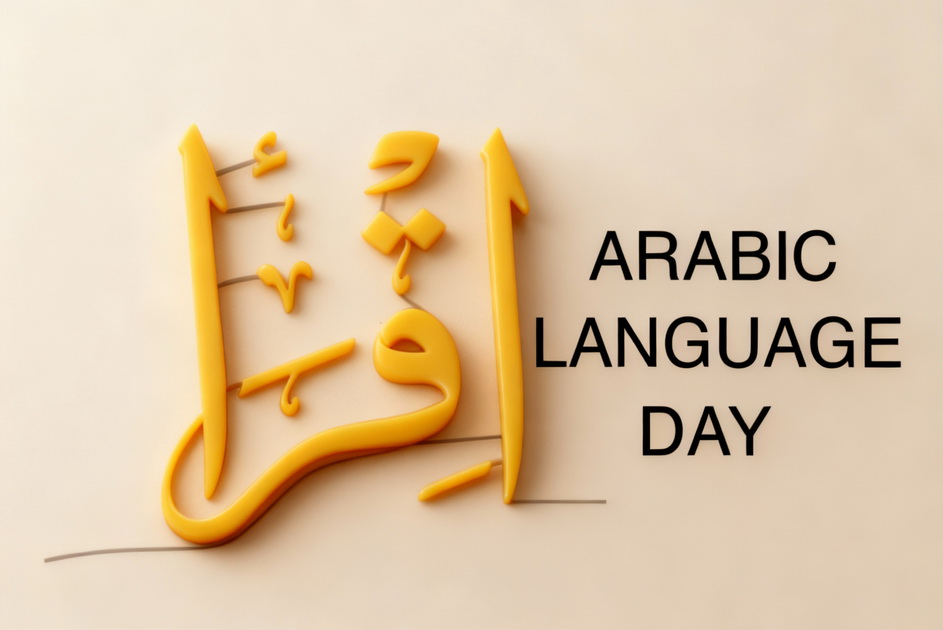
Every year on December 18th, people everywhere celebrate World Arabic Language Day. But why does a single language get a whole day of global recognition by the United Nations (UN)? Because Arabic isn’t just old, it’s one of the most influential and beautiful languages ever spoken.
Arabic is a bridge between generations, cultures, and knowledge. It’s the language of poetry, philosophy, science, and faith. For millions, it’s a part of their identity. For learners, it’s a doorway to understanding an entire world of rich ideas and traditions.
So, what’s the story behind this special day? Let’s find out together.
Table of Contents
ToggleThe Story Behind the Date: Why December 18th?
The UN established World Arabic Language Day in 2010. The goal was simple: to promote multilingualism and cultural diversity, and to remind the world that every language matters.
But there’s a reason December 18th was chosen. On that date in 1973, Arabic officially became the sixth language of the United Nations General Assembly, joining English, French, Spanish, Russian, and Chinese. That moment gave Arabic its well-earned seat at the global table.
Arabic didn’t just shape its own speakers. It shaped global knowledge. During the Middle Ages, scholars writing in Arabic preserved Greek and Roman ideas, later passing them on to Europe. Without Arabic, much of that ancient wisdom might have been lost forever.
The Global Impact of the Arabic Language
Arabic isn’t limited to one region or one group of people. It’s spoken across continents, connecting over 400 million people in more than 25 countries. From Morocco to Oman, and from Sudan to Syria, it stretches far and wide.
But that’s not all. Arabic is also the liturgical language of Islam, used daily by 1.8 billion Muslims worldwide. That’s nearly a quarter of the planet!
Even if you don’t speak Arabic, you already use Arabic words without realizing it. Words like coffee (from “qahwa” – قهوة), and sugar (from “sukkar” – سكر) all come from Arabic.
It’s everywhere on menus, in math, in music.
Arabic in the Modern World
Arabic isn’t stuck in the past. It’s alive, growing, and more relevant than ever. It plays a key role in international diplomacy, business, and the energy sector. It’s one of the most in-demand languages for translation, global affairs, and even technology.
And here’s something cool: more people are learning Arabic today than ever before. Students, journalists, and aid workers are picking it up to connect better with Arabic-speaking communities. Even online, there’s a huge rise in Arabic content videos, podcasts, and learning apps are everywhere.
Learning Arabic doesn’t just open career doors. It helps you see the world from a whole new perspective.
Your Guide to Celebration: Engaging Activities for Every Learner
You don’t need to be fluent to celebrate UN Arabic Language Day. Whether you’re a total beginner or nearly fluent, there’s something fun you can do.
For the Absolute Beginner: Dip Your Toes In
Activity 1: The Script Challenge
Spend 15 minutes learning to write the first five letters of the Arabic alphabet: ا (Alif), ب (Ba), ت (Ta), ث (Tha), ج (Jeem). Focus on the flow and rhythm, it’s like drawing, but with meaning.
Activity 2: Greeting Swap
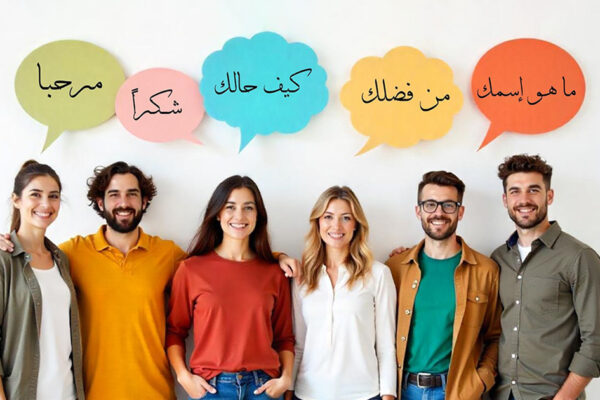
Replace your usual “hello” with “Marhaba” (مرحبا) for the whole day. Say it in person, type it online, or use it in a text. Small word, big connection.
Activity 3: Culinary Connection
Try making a simple Arabic dish like Hummus (حمص) or Fattoush (فتوش). Say the dish’s name in Arabic while you cook. It’s learning you can taste!
For the Intermediate Learner: Dive Deeper
Activity 1: Media Immersion Hour
Watch a short Arabic movie or TV episode. Use Arabic subtitles if you can. Write down three new words you catch. It’s like a mini language gym.
Activity 2: Social Media Safari
Find three Arabic language or culture pages and follow them. Leave a comment in Arabic, even if it’s just “shukran” (شكراً), which means “thank you.” You’ll be surprised by how kind and encouraging people are.
Activity 3: Virtual Language Exchange
Use a language app to find a partner and have a 10-minute chat about Arabic Language Day. It’s fun, quick, and gives you a real sense of progress.
For the Advanced Student: Embrace the Culture
Activity 1: Poetry Appreciation
Read a translated poem by Mahmoud Darwish (محمود درويش) or Nizar Qabbani (نزار قباني), then listen to the original Arabic version. Feel the rhythm and emotion behind every word.
Activity 2: Calligraphy Attempt
Follow a tutorial and try Arabic calligraphy. Even if your lines look funny, you’ll gain a deeper appreciation for this graceful art form.
Activity 3: Host a Micro-Event
Gather friends or classmates online or offline and share your favorite Arabic word, phrase, or cultural story. You’ll leave with new knowledge and laughter.
Your Invitation to a Linguistic Heritage
Learning Arabic connects you with a language that has carried wisdom, art, and faith for centuries. Whether you speak one word or a thousand, you’re part of its story.
So this World Arabic Language Day, celebrate your progress, your curiosity, and your voice. Say a few words, write a few letters, or listen to a few songs. Every little effort keeps the language alive.
Arabic isn’t just history; it’s living, breathing, and waiting for you to join in.
FAQ
It was created by the United Nations Educational, Scientific, and Cultural Organization (UNESCO) in 2010 to celebrate Arabic’s importance and promote cultural understanding.
Each year has a theme chosen by UNESCO, focusing on how Arabic connects cultures and supports innovation. You can check the latest one on UNESCO’s website.
It’s recognized worldwide, but it’s especially celebrated in Arab countries, UN organizations, schools, and language centers that teach Arabic.

You may also like

Learn Levantine Arabic Online or in Amman

Arabic Language Dialects: A Guide to Different Arabic Dialects